

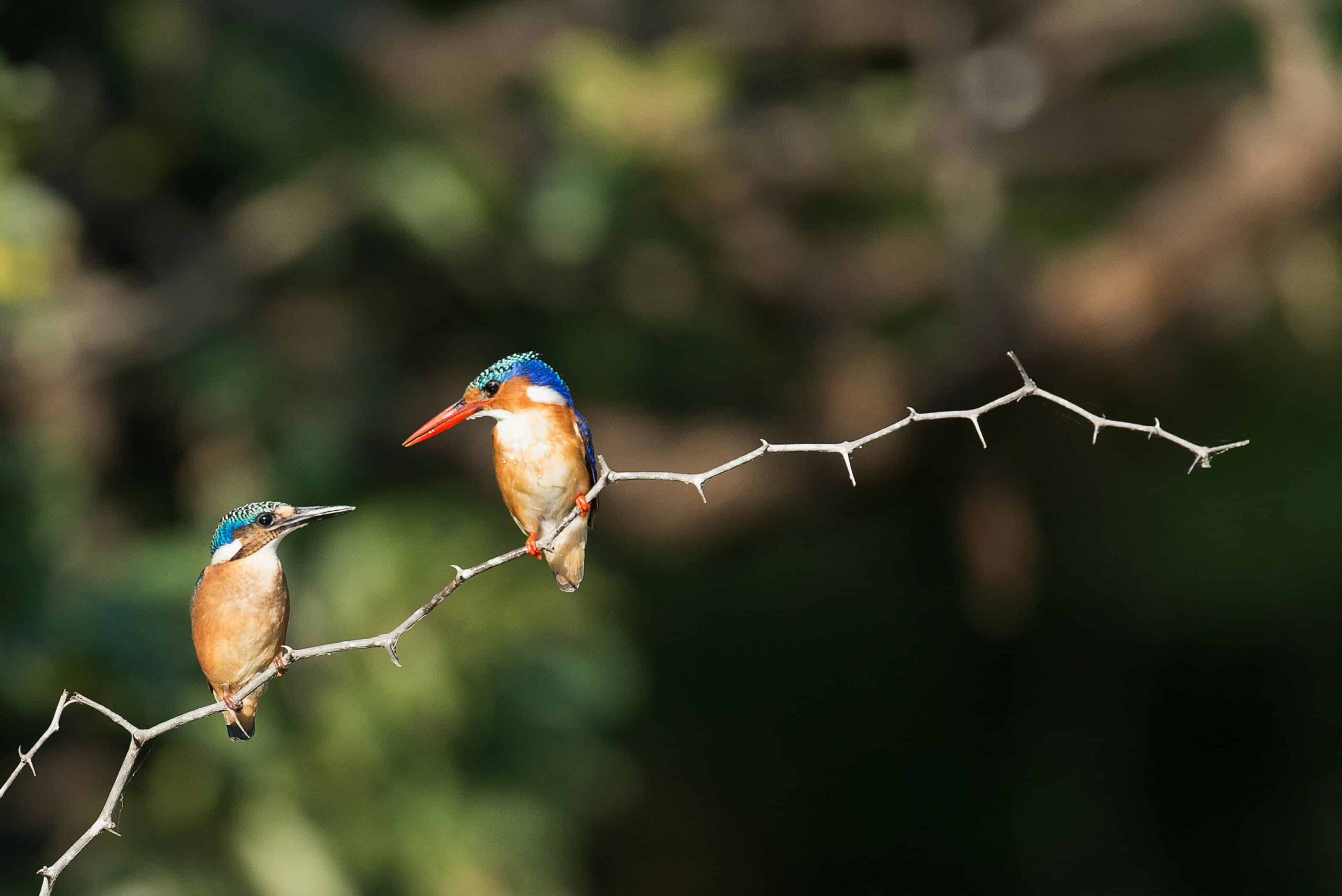
A Guide to Watching Birds of Chitwan National Park
Are you dreaming of the sight of the most spectacular display of avian beauty?
Chitwan National Park, Nepal is the most renowned UNESCO World Heritage Site that is a must-visit destination for wildlife adventures.
Renowned for its diverse bird species, this haven hosts over 500 species of birds, making it one of the richest birding spots in the region.
Under Chitwan’s enormous skies, the birds of Chitwan National Park begin to take on a colorful and chirping life.
You can go to the key points of the park to look at the vibrant hues and listen to the melodious songs of the wildlife.
Whether you are a keen birder or a beginner in the art of bird-watching, Chitwan National Park has ample chances to observe and admire detailed behaviors and beauty in all its feathered inhabitants.
Partnering with Tour Operator Nepal provides expert guidance to increase your chances of viewing and photographing some fantastic bird species found in Chitwan National Park.
The following guide will help you make the most of your adventure of bird watching in Chitwan National Park.
Why is Chitwan National Park Perfect for Bird Watching?

The Chitwan National Park is a bird watcher’s heaven and offers an incomparable bird-watching experience.
Its varied landscape, rich biodiversity and all-year sky activity make it the best destination for observing the birds of Chitwan National Park.
Here are some reasons why Chitwan is ideal for bird observation:
Exception Birdwatching Opportunites
- Observe rare birds of Chitwan National Park such as the Bengal Florican and Lesser Adjutant.
- Observe the grace of water birds in peak seasons, especially around water bodies.
- See tropical forest birds and grassland species for varied birdwatching experiences.
Diverse Habitats that Support Avian Life
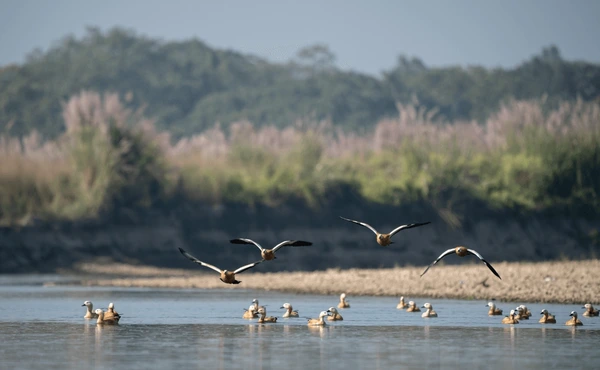
- You can see Bar Headed Geese and Greater Adjutant Storks on the wetlands, created from Rapti River and SunKoshi River.
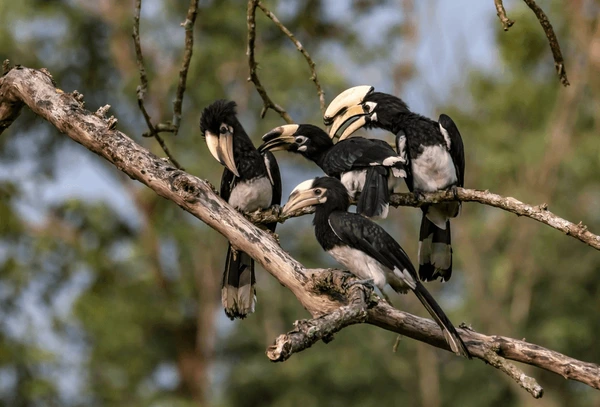
- As you head into the lush forests, you will find shelters of bird species such as Great Hornbill and Rufous-necked Hornbill.
- The forests in Chitwan lie in the bird migratory routes welcoming numerous species of birds all year.
Expert Guided Tour and Enhanced Experience
- Join hands with Tour Operator Nepal for expert guides to enable spotting and identifying some common birds in Chitwan National Park.
- The specialized tours for bird watching enrich the opportunities to witness rare and colored species.
- The breathtaking adventure in the jungle of Chitwan presents unending vistas for amateur and professional cameramen to capture some snaps of the feathered worlds.
All Year Avian Activities
- Birds of Chitwan National Park are most active from October to March, making it the best time for bird watching.
- While in the hot season, you can see birds busy in breeding which provides unique observation opportunities.
- Even during the monsoon season (June to September), the greenery attracts diverse avian visitors.
Conservation and Local Community Support
- Chitwan National Park is committed to preserving the habitats of birds and ensuring the bird populations thrive.
- Chitwan practices conservation activities involving sustainable tourism, adding value to the protection of birds of Chitwan National Park through local communities.
Notable Birds of Chitwan National Park

Chitwan National Park provides a sanctuary for an amazing number of birds.
Starting from colorful tropical species to graceful waterfowl, this avian diversity guarantees that no birdwatcher returns disappointed.
While on this bird-watching tour, you can spot several rare and endangered species of birds.
The bird species not only add to the wildlife of Chitwan National Park but also refer to the preservation of the natural habitat.
Extensive wetlands and rivers in the park make Chitwan National Park a haven for waterfowl and migratory birds.
While migrating, these species join the population of birds in Chitwan National Park, adding dynamic diversity to it.
Iconic and Endangered Species
- Bengal Florican
- Lesser Adjutant Stork
- Great Hornbill
- Rufous-necked Hornbill
- Slender-billed Babbler
Migratory Birds
- Bar-headed Goose
- Goosander
- Brahminy Duck
- Sarus Crane
- Greater Adjutant Stork
- White-rumped Vulture
Forest and Grassland Birds
- Swamp Francolin
- Spotted Owlet
- Black-hooded Oriole
- Pitta
- Indian Paradise Flycatcher
Bird Watching Activities in Chitwan National Park
Do you want just a simple bird-watching tour or a specialized tour that combines other jungle activities as well?
Chitwan is the perfect site for diverse activities to explore the birds in Chitwan National Park.
Let’s take a look at activities available at Chitwan that enhance your bird-watching activities.
Guided Birdwatching Tour
You are going on a bird-watching tour in Chitwan.
But, can you identify the bird species you see or understand about their behavior, habitats and conservation efforts?
That’s where a guided tour comes in.
You can get the best experience to watch the birds of Chitwan National Park through the guided tour.
Partnering with Tour Operator Nepal you get a company of expert naturalists and access to only the most rewarding birding areas inside the park.
You can spot from common to some of the rare birds in Chitwan forests.
The experts help you locate and identify the birds in the park as well as get insights into the ecosystem and their roles.
Combining Birdwatching with Other Activities
Bird watching in Chitwan completes a sweet memory and thus can be combined harmoniously with other safaris in wildlife and nature.
This approach lets you behold the rich biodiversity of the park while you are indulging yourself in multiple activities.
Jeep Safaris
Drive through rugged tracks and dry riverbeds, revealing hidden corners of this animal paradise.
Enjoy a jeep safari through the lush forests and grasslands, which provide the maximum chance to view wildlife and birds in Chitwan National Park.
Enjoy a safe and knowledge-driven journey into one of the most visited places in Nepal with expert guides.
Elephant Safari
The elephant safari in Chitwan offers an opportunity to explore the park, riding the back of an Elephant and observing the different birds of Chitwan National Park.
The view from the elephant’s back is something that will remain in your memories.
You can also participate in elephant bathing, which is an interactive action that provides close views and interactions with them.
Jungle Walks
Take a nature walk with a guide through the core of Chitwan National Park, one of the World Heritage Sites.
Imagine standing face to face with wild animals such as wild boar, Bengal tigers and one-horned rhinoceros as well as a variety of bird species.
Go for a harmless, nature-friendly exploration into one of the most beautiful national parks in Nepal.
Also Read : Meet The Bengal Tigers Of Chitwan
Canoeing Trips
Enjoy canoeing on tranquil waters and see Chitwan National Park’s natural beauty from a different point of view.
See mugger crocodiles basking along the riverbanks and birds flying over your head while boating.
Cultural Exploration
Immerse yourself in the local culture around Chitwan National Park and find out how people share a border with wild animals.
Get an idea about Indigenous people’s history and their way of living.
You can participate in cultural programs, local food testing and observing the local handicrafts.
Best Time for Bird Watching in Chitwan

Timing your visit for bird watching in Chitwan National Park ensures you get the most out of your adventures.
Let’s look at the different seasons for observing the birds.
October to March (Peak Season)
This season offers dry and cool weather, enhancing the visibility and activities of birds.
You can see many migratory birds such as Pallas-Fish Eagle and Bar-headed Goose arriving
This makes the months from October to March the peak season for bird seeing.
April to June
During these times, fresh flowers bloom with many bird species coming around, making it is a lively time to visit here for the birdwatcher.
Many birds of Chitwan National Park during these times engage in breeding and nestling which is a unique observation in itself.
The daylight time is extended providing more time for birding activities.
June to September
These times are of heavy rainfall, transforming the park into greenery which attracts numerous birds.
You can see less crowd during these timeless due to rainfall.
What Equipments to Bring for a Successful Bird-Watching Tour?
Some appropriate gear should be equipped for one to be successful and have a comfortable experience.
Be you an avid birder or a novice, the right equipment will increase your chances of spotting and identifying the birds of Chitwan National Park.
Below is the list of packing list for bird watching in Chitwan National Park.
- Documents such as Passport Copies, Nepal Entry Visa and National Park Entrance Permit
- Layered Clothing
- Lightweight and Natural Colored Clothes
- Long Leaves and Pants
- Sturdy Trekking Boots
- Waterproof Shoes
- Hat and Sunglasses
- Sunscreen
- Insect Repellent
- Reusable Water Bottle
- Backpack
- Snack
- Rain Gear
- Flashlight
- Notebook and Pen
- High-Quality Binoculars
Conservation Efforts and Bird Protection in Chitwan
Chitwan National Park is among the leading places for bird conservation in Nepal, using a series of techniques and strategies to save the many species of birds living therein.
These are the really needed initiatives toward the maintenance of avian diversity that characterizes this park and ensures the survival of common and rare bird species.
Habitat Preservation
- The park authorities focus on protecting and maintaining the park’s grasslands to provide the needed essential habitats for the vulnerable Lesser Adjutant Stork and critically endangered Bengal Florican.
- Invasive plant species that threaten native grassland flora are removed, so that birds of Chitwan National Park can get access to their natural food sources and nesting sites.
- Take steps to minimize pollution in the water, thus providing clean habitats for aqua birds like Bar-headed Goose and Pallas’s Fish-Eagle.
Involvement of Local Community
- Training locals to participate in bird monitoring and reporting, adding to the valuable data in continuous conservation research.
- Involving the community in tree planting and wetland restoration to improve the habitats for birds.
- Providing jobs to local people as bird guides, park rangers and eco-tourism facilities, ensuring that economic benefits from conservation are realized.
Anti-Poaching Measures
- Controls and prevention of poaching activities in the park are done through regular patrols.
- More strict punishment for poaching and its related illegal trades of wildlife is implemented, keeping potential criminals away from the criminal activity.
- Community channels are established to report park authorities on any suspicious activities, enhancing the parks’ monitoring capability.
Research and Monitoring
- Monitoring and assessment of various habitats’ health to assess their suitability for various bird species.
- Tracking the trends in populations to determine what conservation needs, gathering data on breeding success, migration patterns and habitat used.
- Conducting research in bird ecology and behavior with universities, research institutions and organizations on conservation.
Sustainable Tourism Practices
- Promote eco-friendly lodges by recommending those that use solar energy, recycle waste and conserve water.
- Sensitize visitors on responsible birdwatching practices by ensuring they keep a distance from birds, avoid noise and do not feed wild animals.
- Raising the “leave no trace” concept to avoid any kind of disturbance in birds’ habitats.
Collaborations
- It implements different habitat restoration and species protection-related bird conservation projects along with NGOs.
- Developing necessary knowledge and best practice exchanges between researchers and conservation practitioners to enhance the strategy for bird protection.
- Participating in International Conservation Initiatives and networks to increase awareness, concern and support within global perspectives.
How to Maximize Your Bird-Watching Experience?
Bird watching in itself is a unique experience.
You can maximize your bird-watching experience to get the most out of your tour in this bird lover’s paradise.
Here are some tips:
- Visit during the peak seasons from October to March, when the weather is optimal and the migratory birds are present.
- Hire an expert local guide as they have extensive information on the bird species of Chitwan National Park and lead you to spots where they can be spotted.
- Pack the right gear such as high-quality binoculars and a camera with zoom lens to look and photograph the beautiful birds without disturbing them.
- Noises can startle the birds so move slowly and minimize the noises as you explore.
- Keep a bird-watching journal, as it helps keep records of the different birds seen and adds a new dimension to learning.
- Participate in group tours as they offer greater safety, especially when parts of the park are remote and isolated.
Conclusion
Chitwan has unparalleled wildlife exploration, with bird watching as one of its premier activities.
It is a once-in-a-lifetime experience, combining the avian paradise with the unmatched beauty of nature.
The Chitwan National Park boasts diverse habitats and rich biodiversity
You can catch the rare sight of the Bengal Florican and Lesser Adjutant Stork.
Enjoy watching the thrilling performances of waterfowl and forest birds.
You can learn from experts, why this bird heaven impresses every bird enthusiast all over the world.
Partner with Tour Operator Nepal for an unforgettable and responsible adventure to spot the birds of Chitwan National Park.
FAQs
What is the altitude of Chitwan National Park?
The altitude of Chitwan National Park ranges from 100 meters to 815 meters.
What is the best time to go bird-watching?
Morning, around dawn and late afternoon are the best times to go bird-watching tour.
At these times, birds are most active, searching for food and territorial establishment.
What month is best for bird watching in Chitwan National Park?
Bird watching in Chitwan National Park is best in the months, from October to March.
How much is the entry fee for Chitwan National Park?
The Chitwan National Park entry fee costs:
- NPR 2000 for foreigners
- NPR 1000 for SAARC Nationals
- NPR 150 for Nepali Citizens
Which are the names of birds found in Chitwan National Park?
Here are the names of birds found in Chitwan National Park:
- Eastern Spot-billed Duck
- Mallard
- Ferruginous Duck
- Indian Peafowl
- Kalij Pheasant
- Rock Pigeon
- Greater White-fronted Goose