

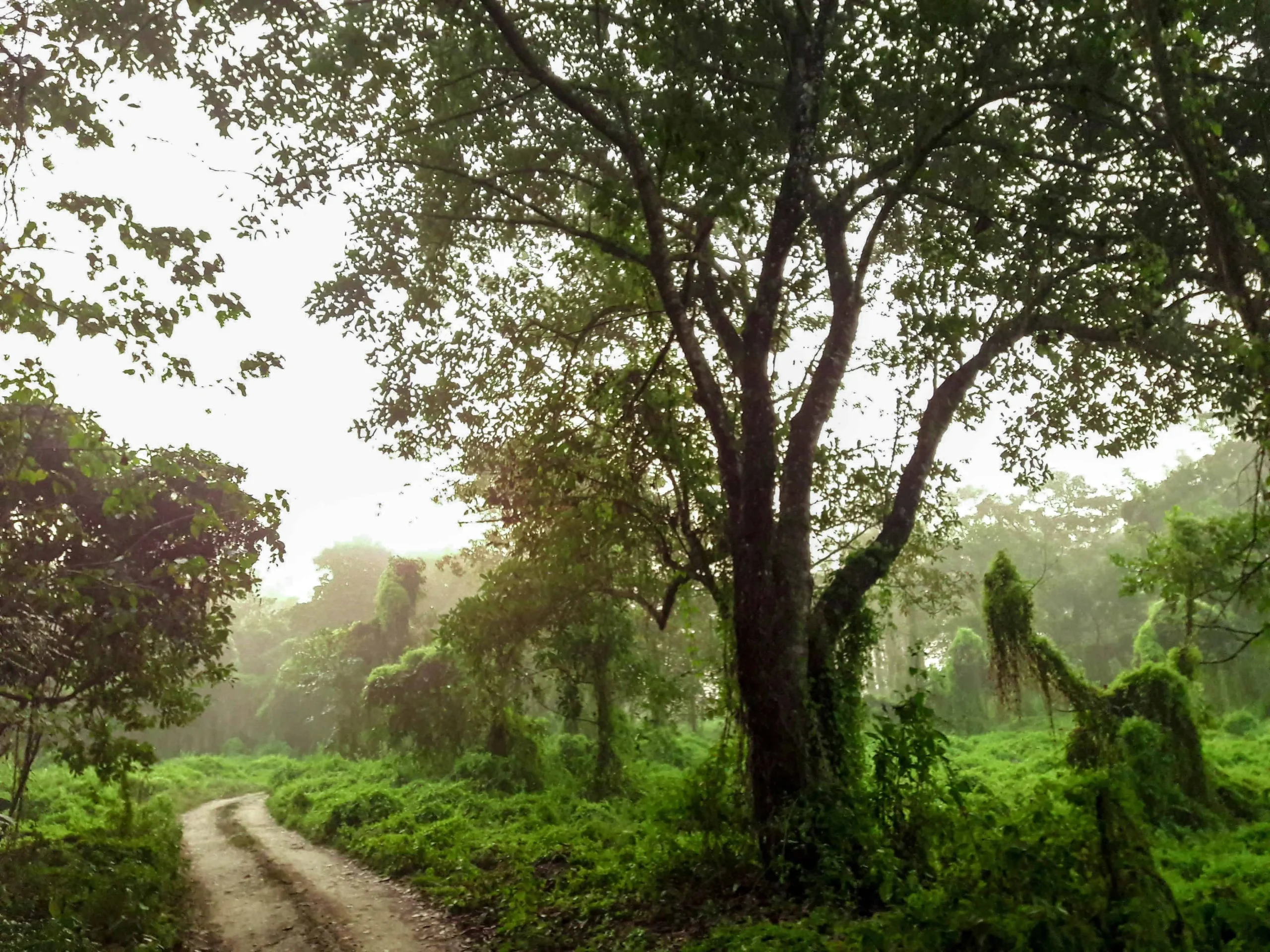
Introduction to Chitwan National Park Buffer Zone
The Chitwan National Park Buffer Zone is a crucial area around the main park, the Royal Chitwan National Park.
Think of it as a ring of protection, one that keeps the animals safe while allowing people to live in their surroundings.
This covers an area as huge as 750 square kilometers in Chitwan National Park.
The fund primarily works to balance wildlife protection with human activities so that animals and people can share their worlds in harmony.
Here, protected areas coexist with local communities.
The buffer zone, by design, helps reduce the human-wildlife conflict through apportioning space between the two.
The locals undertake non-destructive farming and judicious resource utilization, hence aiding the cause of sustainable conservation.
The harmony sustains Chitwan’s rich biodiversity, ensuring good wildlife management in the protected area.
The varied habitats constituting the Chitwan National Park Buffer Zone include a wildlife corridor that connects two protected areas.
This helps maintain genetic diversity and supports several endangered species like the Bengal tiger and one-horned rhino.
Besides, many birds of Chitwan National Park thrive here and add to the avian diversity of the park.
Community participation is very vital.
The buffer zone’s user committees organize land use and conservation management.
Eco-tourism activities, such as the Elephant Safari in Chitwan National Park and others generate money for the communities.
By doing so, the people develop a sense of ownership and responsibility for the park and the wildlife.
Chitwan National Park Buffer Zone is significant for maintaining the ecological balance within Royal Chitwan National Park.
This buffer zone model is a prime example of effective conservation for the longevity of Nepal’s natural heritage.
Buffer Zone Concept
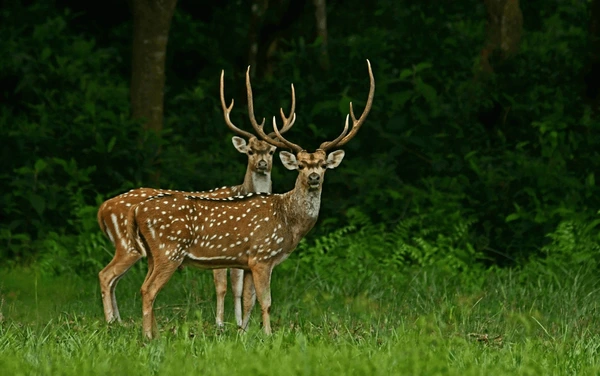
A buffer zone is a transition zone surrounding the core protected area, in this case, the Chitwan National Park, which is multipurpose for both conservation and community roles.
In Chitwan, the Buffer Zone represents the transitioning space between the wildlife habitat and the human settlements.
Such separation minimizes human-wildlife conflicts and maximizes the concept of sustainable conservation.
Functions of Buffer Zone
Protection of Wildlife
- Extra space for animals to live and move around reduces pressure on the core park area.
- Wildlife corridors in the buffer zone allow for free and safe passage of animals through the different habitats.
- Protect vulnerable species such as the one-horned rhinoceros, several bird species and Bengal tigers in Chitwan National Park to survive and grow.
Minimize Human-Wildlife Conflicts
- The buffer zone helps minimize the contact between people and animals, reducing the chances of animals entering villages.
- Programs are conducted in the buffer zone to teach people about the safety measures around wildlife.
- Locals learn how to peacefully coexist with wildlife which improves the quality of life of humans as well as animals.
Human Activities Management
- It promotes the interests of local people in undertaking sustainable farming that does not degrade the environment or affect the habitats of wild animals.
- Promotes the adoption of renewable energy sources, such as solar and biogas, reducing carbon footprint and promoting sustainability.
Promoting Sustainable Conservation
- Provides ownership and responsibility to the local communities for wildlife and natural resource protection.
- It ensures the involvement of locals in effective decision-making so that the conservation strategy aligns with community needs and interests.
- Conducts training and awareness programs that educate residents on the need for sustainable conservation and management of wildlife.
Support Eco-Tourism
- Offers eco-tourism wildlife activities that generate jobs and income for the residents.
- Tourists can have fun with nature without necessarily causing damage to it, helping in sustainable conservation.
Enhance Biodiversity
- A buffer zone is a mixture of forests, wetlands and grasslands that support different wildlife species.
- Many species of birds in Chitwan National Park thrive here, making it an ideal spot for birdwatching.
Human and Community Involvements in the Buffer Zone
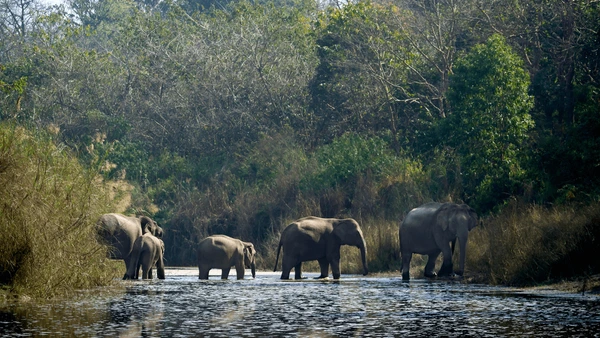
Community involvement is considered one of the major keys to success in the Chitwan National Park Buffer Zone.
When the people around the park help out in its care, the park becomes a place that benefits both animals and humans alike.
Here’s how the community is involved in:
Buffer Zone User Committees
The Buffer Zone User Committees are groups of local people that manage the buffer zone and ensure everyone works together to protect wildlife.
Their roles include:
- This committee is responsible for land management. They plan on how to use the land, ensuring the animal’s safety while allowing people to live and work.
- These committees organize various projects such as tree planting and cleaning, which makes the environment better for animals.
- The money generated from eco-tourism activities, such as the Elephant Safari in Chitwan National Park, is shared within the community. The generated revenue is used to improve the schools, hospitals and other local services in those areas.
- Committees themselves solve the problems arising between humans and wild animals. This would ensure peaceful coexistence both for people and animals.
Sustainable Livelihoods for Communities
The Buffer Zone provides ways for the local residents to earn an income without hurting nature.
Some of the ways to do so are listed below:
- Chitwan National Park offers elephant safaris, among other activities, attracting tourists to participate. It contributes to the economic benefit and opens up opportunities for the local people to receive jobs in guiding tours and working in lodges.
- The local artisans manufacture and sell handicrafts among the visitors. This helps in sustainable development and preserves the traditional skills of the artisans.
- Farmers use environmentally friendly methods to farm crops. This protects the natural resources of soil and water, keeping them healthy for future generations.
- The money earned through tourism and other activities is shared with the community.
Revenue sharing supports the families and funds local projects to make sure that everyone benefits from the conservation efforts.
Key Wildlife in Buffer Zone
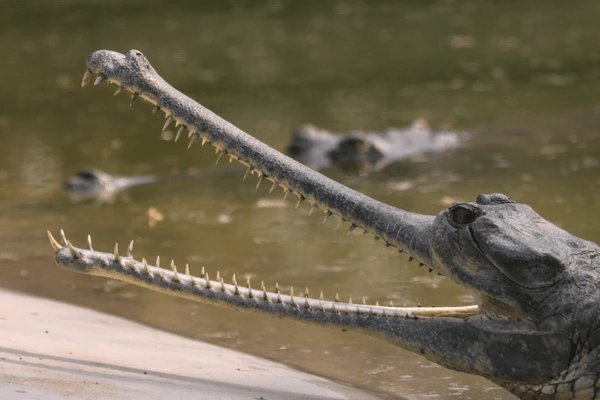
Amazing animals and birds have made the Chitwan National Park Buffer Zone their home.
Besides being an added attraction, this biodiversity is very important in terms of keeping the ecosystem healthy and alive.
Iconic Species of Wildlife in Buffer Zone
- Bengal Tiger: The big majestic cat, a forest prowler.
- One-Horned Rhino: Rare and great to see, with one horn.
- Asian Elephant: The gentle giants of the grasslands.
- Sloth Bear: Strange-looking bears with shaggy fur and a penchant for insects.
- Leopard: Beautiful and stealthy big cats.
- Gaur (Indian Bison): Large and powerful bovines.
- Sambar Deer: Big deer with impressive antlers.
- Barasingha: Also called swamp deer with impressive antlers.
- Barking Deer: Small deer that make a barking sound.
- Exotic Birds: Includes the colorful Bengal Florican and elegant Lesser Adjutant Stork.
Activities in Chitwan National Park Buffer Zone
Tourists can engage in various activities in the Buffer Zone around Chitwan National Park.
These activities will not only entertain people in the environment but also create sustainable tourism that assists in conservation.
The local expert leads these guided tour activities, enhancing your experiences.
Some of the things you can do in the buffer zone are as follows:
Elephant Safari
The elephant safari, a special experience, offers a chance to explore the rich bio-diversity from the back of the gentle elephants.
Riding on an elephant’s back, you’ll create a memory worth your imagination, time and camera.
A complementary event would be elephant bathing, an interactive event promising much closeness with views of these behemoths.
Bird Watching Tour
Bird watching in Chitwan National Park allows visitors to view various bird species from 600 species, that the park houses
Just as the expert guide points out to the birds, you can click pictures of the birds.
In different seasons, various migratory birds from various parts of the world stop here.
Jeep Safari
Drive through rugged tracks and dry riverbeds, showing hidden nooks of this animal kingdom.
Hop on a jeep and head through luxurious forests and grasslands for maximum views of wildlife and birds.
The vehicle moves over various landscapes with beautiful scenery.
While in the jeep, you are likely to catch a glimpse of rhinos, deer or a flock of birds flying above you.
Jungle Walks
Are you more interested in walking through the tall grass and connecting with the jungle one step at a time?
The Jungle Walk is an adventure that will take you through the heart of the Chitwan jungle.
Observe the diverse flora and spot some wild animals in their habitats.
Cultural Exploration
Experience the local culture of the park and find out how people share borders and live peacefully with wild animals (most of the time).
Get insight into the history and lifestyle of the indigenous Tharu people.
Engage in different cultural programs, local food testing and observing local handicrafts.
Also Read : Wildlife Adventures in Chitwan
Challenges in Buffer Zone
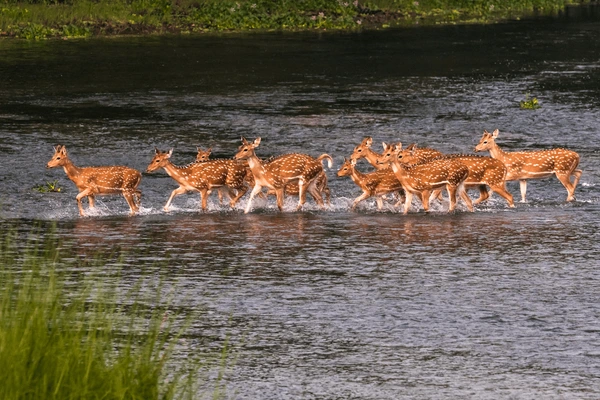
Just because the Buffer Zone is a great place for wildlife and humans, it doesn’t mean there are no challenges.
There are important challenges that need to be addressed.
Solving them would keep the buffer zone alive and functioning properly.
Some of the problems are:
Human Encroachment and Resource Exploitation
Human encroachment means people moving nearer to the area of wildlife.
Resource exploitation happens when humans use excessive natural resources.
All these issues can affect the buffer zone in many ways.
- People build homes, farms or roads, leading to the Habitat loss of wild animals.
- Overexploitation of water, wood or any other resource in that buffer zone can cause damage to the environment.There will be fewer resources for animals which could lead to habitat loss.
- The encroachment into the protected areas disrupts the wildlife corridors once people migrate into them illegally.
- This prevents animals from roaming freely and can cause human-wildlife conflict.
Climate Change and Adaptation of Wildlife
- Unpredictable weather due to climate change, makes it difficult for animals to find food and water.
- The changing climate requires wildlife to alter their habit or migrate to a new area for survival.
- With rising temperatures, the natural habitat of the species can change, and they either have to adapt or move to different places.
- Floods and droughts destroy habitats and affect animals and plants alike in the Chitwan National Park Buffer Zone.
Conclusion
The Chitwan National Park Buffer Zone plays an essential role in wildlife protection and community livelihoods.
It serves as a habitat for animal species, like the Bengal tiger and one-horned rhino.
Eco-tourism wildlife activities have brought employment and income-generating opportunities to the local people.
Community involvement in Buffer Zone is a key factor.
The area is managed by Buffer Zone User Committees, which share the revenue generated from tourism.
Understand the success story of the park and how the wild species have flourished over the years.
Create a genuine partnership with Tour Operator Nepal for the expedition of this breathtakingly beautiful area.
Man and wildlife both stroll together in harmony here.
Plan your visit today and join in saving the wild of Chitwan.
FAQs
What is the buffer zone in Chitwan National Park?
The buffer zone in Chitwan National Park is an area that surrounds the park, serving as a protective barrier between wildlife and human settlements.
Which is the first buffer zone in Nepal?
Chitwan National Park’s buffer zone is Nepal’s first established buffer zone.
This pioneer of a buffer zone indeed laid the standard for this nation’s protected areas by how wildlife management and community involvement can go hand-in-hand.
The success with which Chitwan pioneered this buffer zone has influenced several other similar initiatives across Nepal.
What is the area of the Chitwan National Park Buffer Zone?
The Chitwan National Park Buffer Zone covers an area of 750 square kilometers.
How many buffer zones are there in Chitwan National Park?
There is only one buffer zone in Chitwan National Park.
This Buffer Zone is 750 square kilometers in size and acts as a transitional zone between the hard core of the park, which enjoys full legal protection, and human settlement areas.
Which lake is situated inside the buffer zone of Chitwan National Park?
Beeshazar Lake is situated inside the buffer zone of Chitwan National Park.